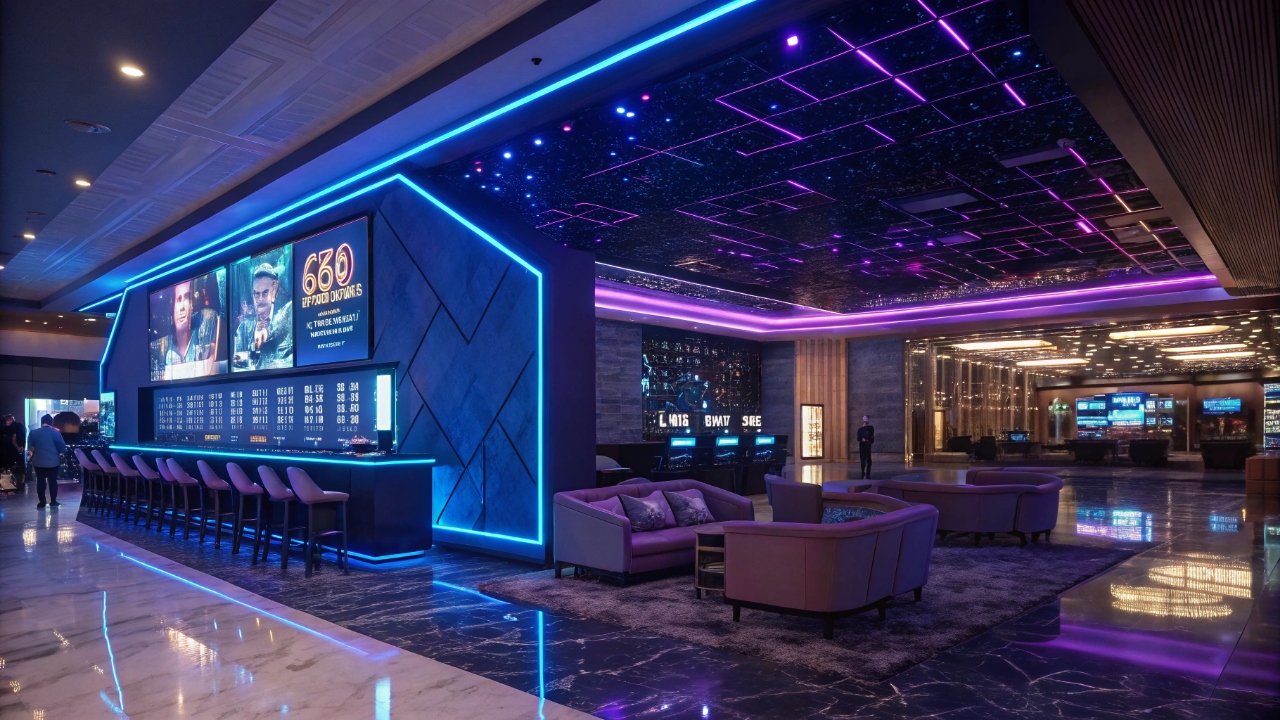
The casino industry is going through a phase of deep transformation in which digital entertainment plays a central role. One of the key drivers of this shift is esports, which has successfully combined competitive excitement, media appeal, and strong engagement from younger audiences. While casinos once relied mainly on traditional gaming mechanics, they now increasingly view esports as a strategic growth channel. This is not just a passing trend but a long-term shift in how entertainment content and betting services are consumed.
Esports attracts audiences through fast-paced action, clear tournament structures, and constant visibility in streaming environments. For casinos, this model is especially valuable because it creates regular touchpoints with users and increases the depth of engagement within the brand ecosystem. At the intersection of these two industries, a new leisure format is emerging—one where the emotional intensity of competition is matched by technological flexibility and a personalized user experience.
Why Esports Has Become a Growth Point for Casinos
Esports’ key advantage for casinos lies in the scale and quality of its audience. These users are accustomed to digital services, mobile interfaces, and interactive content formats. They respond quickly to updates, actively participate in communities, and value transparent processes. For operators, this means they can build more precise engagement scenarios where not only bets matter, but also the media environment, match analytics, bonus systems, and retention logic between events.
Another growth factor is the rhythm of the esports calendar. Tournaments run throughout the year, across multiple disciplines and regions, creating a steady flow of events. Unlike traditional formats, where activity may depend on seasonality, esports sustains continuous audience interest. This allows casinos to develop long-term marketing strategies, improve retention, and forecast platform load more accurately. As a result, the esports segment is no longer a temporary experiment but a full-fledged part of the business model.
Technology, Streaming, and a New User Experience Logic
Modern esports integration into casinos is impossible without a strong technological foundation. Users care about fast odds updates, high-quality live streams, convenient mobile access, and personalized recommendations. Platforms that provide a seamless journey from match viewing to analytics and interactive participation gain a clear competitive edge. That is why casinos are investing in next-generation interfaces, real-time data processing systems, and tools that adapt content to individual behavior.
Streaming culture also plays a major role. For younger audiences, watching tournaments is not just about following outcomes—it is part of social communication. Chats, reactions, discussions, and influencer impact shape an emotional context in which betting decisions are made faster and more consciously. Casinos that understand this logic are moving from a “betting platform” model to a “digital entertainment hub” format. This approach strengthens loyalty and increases time spent with the brand, which directly affects business performance.
Regulatory Risks and Market Outlook
Despite its high potential, the casino-esports segment requires careful regulatory alignment. Different jurisdictions apply their own rules on licensing, age control, and advertising restrictions. Operators need to balance marketing activity with responsible user practices, especially when younger audiences are involved. Transparent mechanics, clear participation terms, and self-control tools are not just compliance requirements but trust-building factors for the brand.
In the coming years, the market will likely continue moving toward hybrid formats that combine esports events, interactive broadcasts, gamification elements, and personalized support services. Competition will favor not the platforms that merely add an esports betting section, but those that build a coherent ecosystem with easy navigation, quality content, and a stable reputation. For the casino industry, this means moving to a new level of maturity where technology and customer experience become core assets. In this model, esports is not an add-on but one of the main vectors of future growth, opening new horizons for the market and deepening its connection with digital culture.